
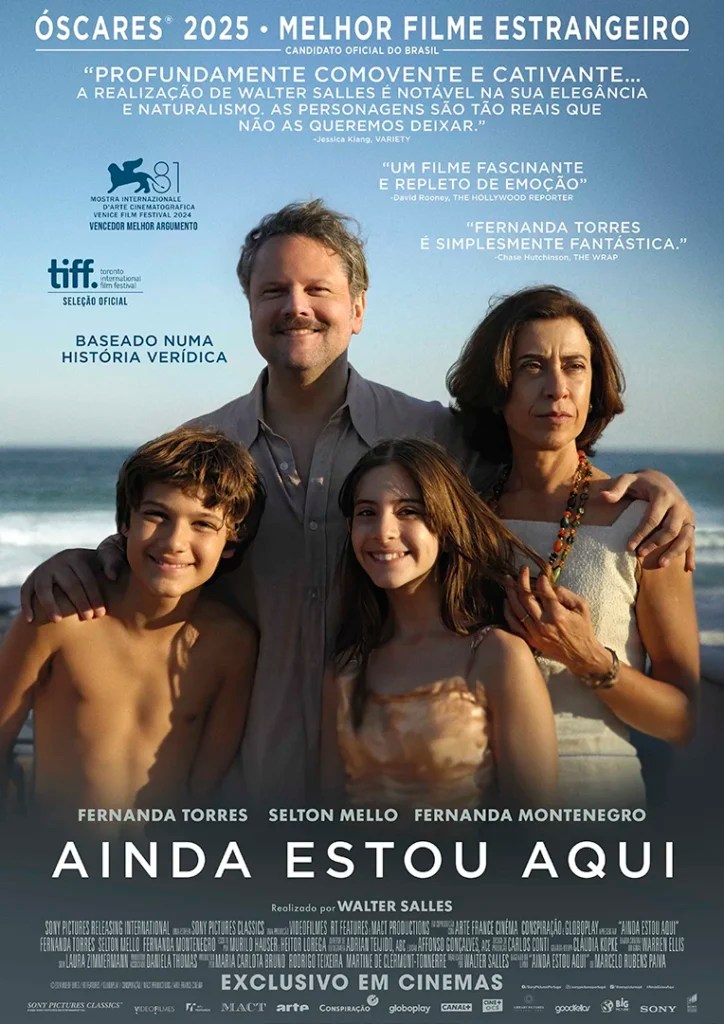
★★★★★
I’m Still Here (2024)
Original Title: Ainda Estou Aqui
Director: Walter Salles
Language: Brazilian Portuguese
How is it possible that I know so little about contemporary Brazilian history that I am today years old, learning of this dictatorship that took place during the 1960s. Aside from U.S. education of its masses on its policies in South America is virtually nonexistent unless you go out seeking to learn, the focus tends to be elsewhere: Pinochet, the War on Drugs, Jimmy Carter and the Panama Canal. This somewhat brief, but complex and tremendously impactful moment in Brazilian history is poignantly portrayed in the Oscar-worthy film.
Fernanda Torres, as Eunice Paiva and wife of former Brazilian congressman Rubens Paiva, was just remarkable. Everyone in the movie, really. The sense of tension, uncertainty, and psychological torture as to what has happened to her husband is pervasive. At the same time, she garners control and composure of the narrative, carrying the movie through its entirety. She is not just Ruben Paiva’s wife. She is Eunice, the protagonist and main character of her movie, and Ruben is now her husband. She looks at the cards she’s been dealt and realizes exactly what she has to do to keep her family on together. The band-aid must be pulled off . Her love and commitment for her husband and kids is inspiring and heart-wrenching, the audience knowing full well the entire time that she herself is grieving immensely.
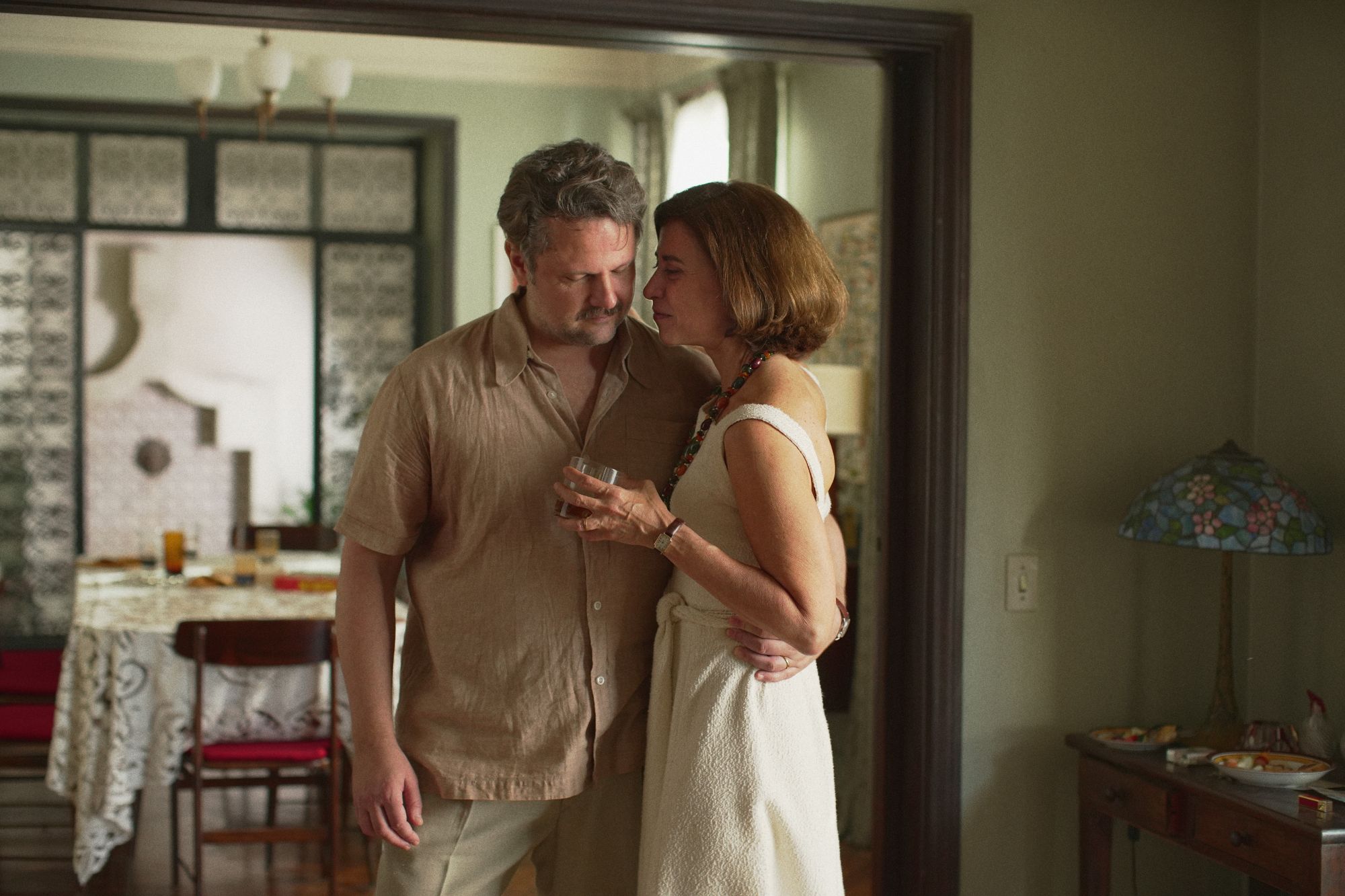
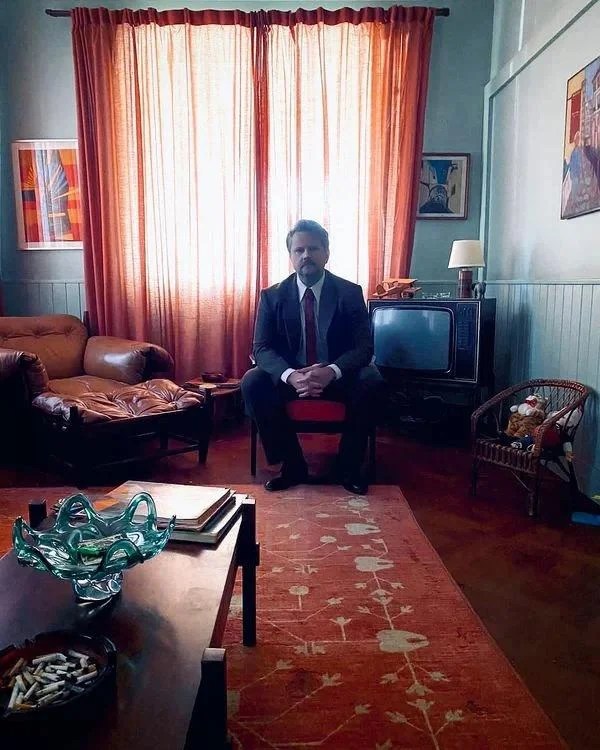
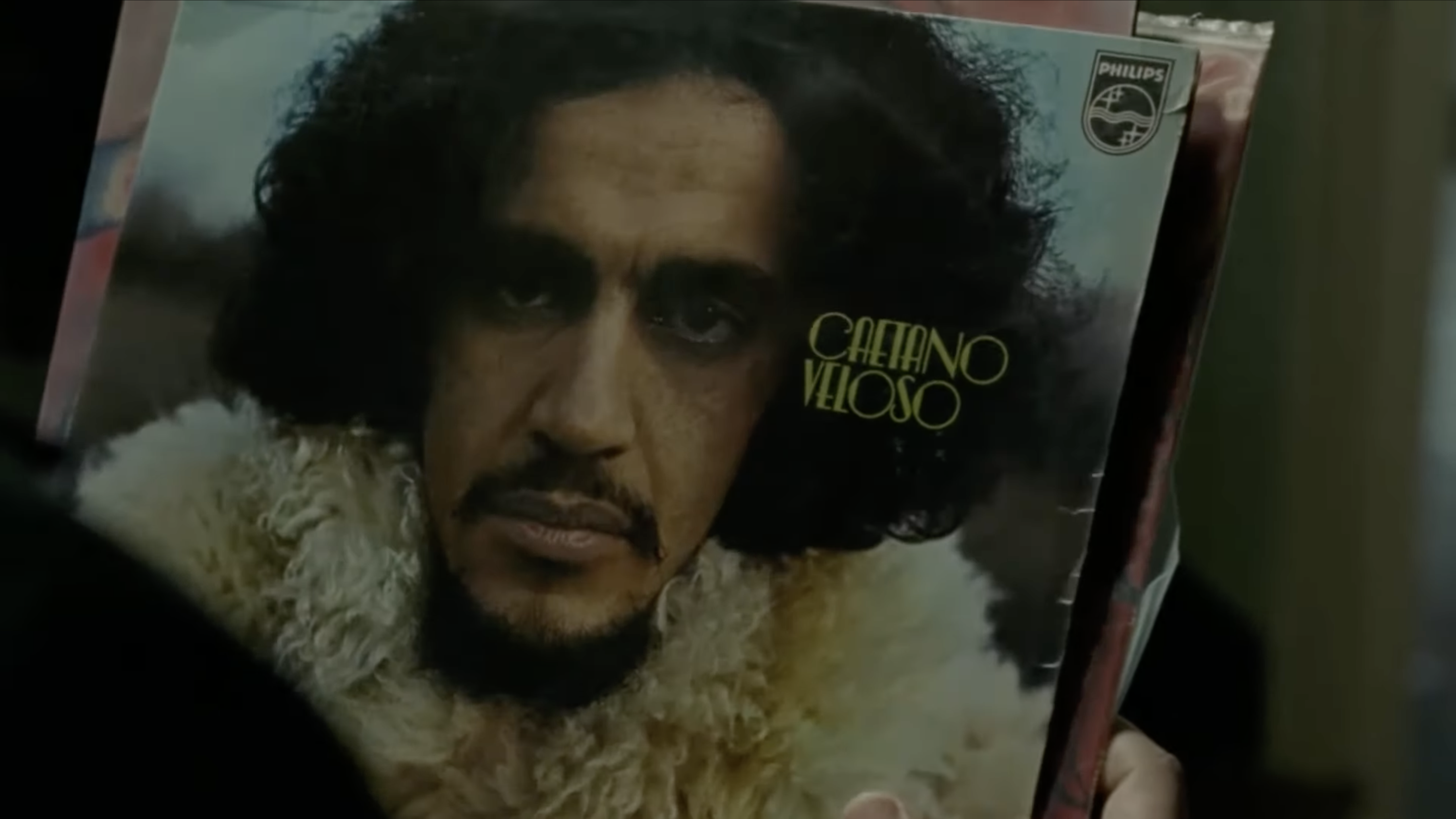
But what really makes the movie are the small cultural details of an upscale Rio during the 60s and 70s. The cars, the records, the clothes, the pure raw beauty emitted by everyone yearning for connection with one another. Even as we progress into the 90s in São Paulo, you feel the times emanating through the screen in such an authentic way. It has an Almost Famous atmosphere surging in the first 30 minutes of the film. The house in Rio should receive an Oscar all on its own, the home furnishings a best supporting role. The setting carried a truly show-stopping energy throughout the film.
Mood Board



Homework
Watch: Okay, I know nothing really of filmography as an art but I am trying to better articulate why a movie is so good. This dissection by the director explaining the lighting, camera angles, and intentional points of interruption to create a sense of tension and impending chaos is brilliant. Have a look.
Listen: It seems you can learn more about Brazilian history through music than with any book. As I was shazaming pretty much every song in this movie, I went down multiple rabbit holes clarifying much of the plot lines and historical moments in the movie. An absolute banger, Erasmo Carlos and Roberto Carlos write a song that captures the resistance to what is happening in Brazil at the time. It resurfaces as an essential thread throughout the film. The entire album is fabulous.
My one gripe is why is the poster for the movie so … not good? Why are there only two kids in the picture? All the children played such important roles in the movie, and the poster highlights none of the magic captured in the actual film. Don’t judge this book by its cover!
As of December 2025, this is streaming on Netflix in the U.S.

 Through Jade Colored Glasses